
Maximising value for taxpayers and energy consumers
Securing private investment in new energy infrastructure at the right place, the right time and the right price is critical for governments seeking to transition their energy systems.
From its inception, ASL’s primary role has been to design and deliver tender processes which drive competition to secure efficient investment outcomes and manage risk for governments and energy consumers.
These tenders have secured record investment in new energy infrastructure, whilst ensuring the benefits are shared with host communities.
Along the way, we’ve engineered innovative new financial products to meet the unique needs of our government partners and developed an intimate understanding of market dynamics and investor needs.
NSW Consumer Trustee
As the independent Consumer Trustee under the NSW Energy Infrastructure Roadmap, ASL conducts tenders for Long-Term Energy Service Agreements (LTESAs) to incentivise new renewable energy generation, long-duration storage, and firming infrastructure.
LTESAs are innovative options contracts that offer generation, storage, and firming projects the right to access minimum cash flows for periods within a long contract term. They aim to reduce price uncertainty for investors, bringing forward investment in new renewable energy projects and supporting more affordable energy for consumers.
Our tenders are conducted on the basis of our Infrastructure Investment Objectives (IIO) report, which provides a 10-year tender plan to provide certainty to investors and developers. ASL also conducts tenders for Access Rights in Renewable Energy Zones on behalf of the Infrastructure Planner (EnergyCo), when requested to do so.
Capacity Investment Scheme
As tender delivery partner, ASL works alongside AEMO to support the roll-out of the Australian Government’s Capacity Investment Scheme.
The Capacity Investment Scheme is an Australian Government program to accelerate investment in new renewable energy generation, such as wind and solar, and dispatchable capacity, such as battery storage. ASL is conducting a series of competitive tender processes for the CIS, in which Proponents bid for long-term revenue support from the Australian Government through a Capacity Investment Scheme Agreement.
ASL assessed the overall merit of each project and makes recommendations to the Australian Government. This advice serves as a key input into the final selection of projects by the Minister for Climate Change and Energy.
South Australia’s Firm Energy Reliability Mechanism
ASL is the independent Scheme Administrator for the South Australian Firm Energy Reliability Mechanism (FERM). The FERM aims to provide long duration dispatchable capacity to ensure secure, reliable and affordable electricity for South Australia.
ASL is responsible for designing and administering the competitive tender process for long-term support contracts for new infrastructure, as well as retaining existing firm capacity. Successful projects enter into a Firm Energy Reliability Mechanism Agreement (FERMA), which provides a mechanism to underwrite a portion of a project’s annual net revenue over a period of 15 years. The FERMA is designed to provide financial certainty and incentivise consistent, reliable operational performance.
Our Tender Schemes



The Capacity Investment Scheme (CIS) is an Australian Government initiative that aims to encourage new investment in renewable energy generation and clean dispatchable capacity.

The South Australian Government is advancing the Firm Energy Reliability Mechanism (FERM) framework to support sufficient long duration firm capacity to ensure secure, reliable and resilient electricity supply for South Australia, at least cost to consumers.
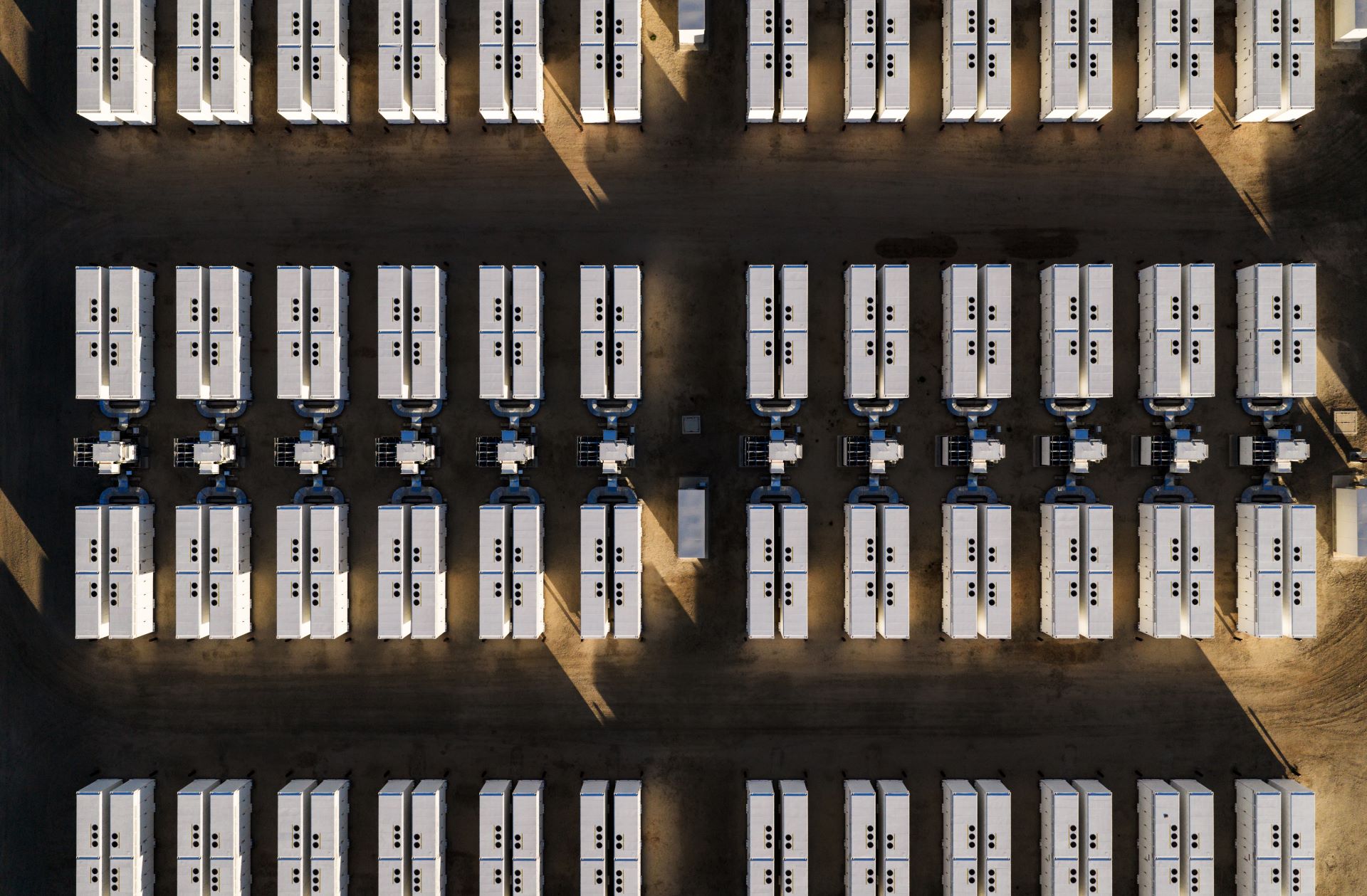
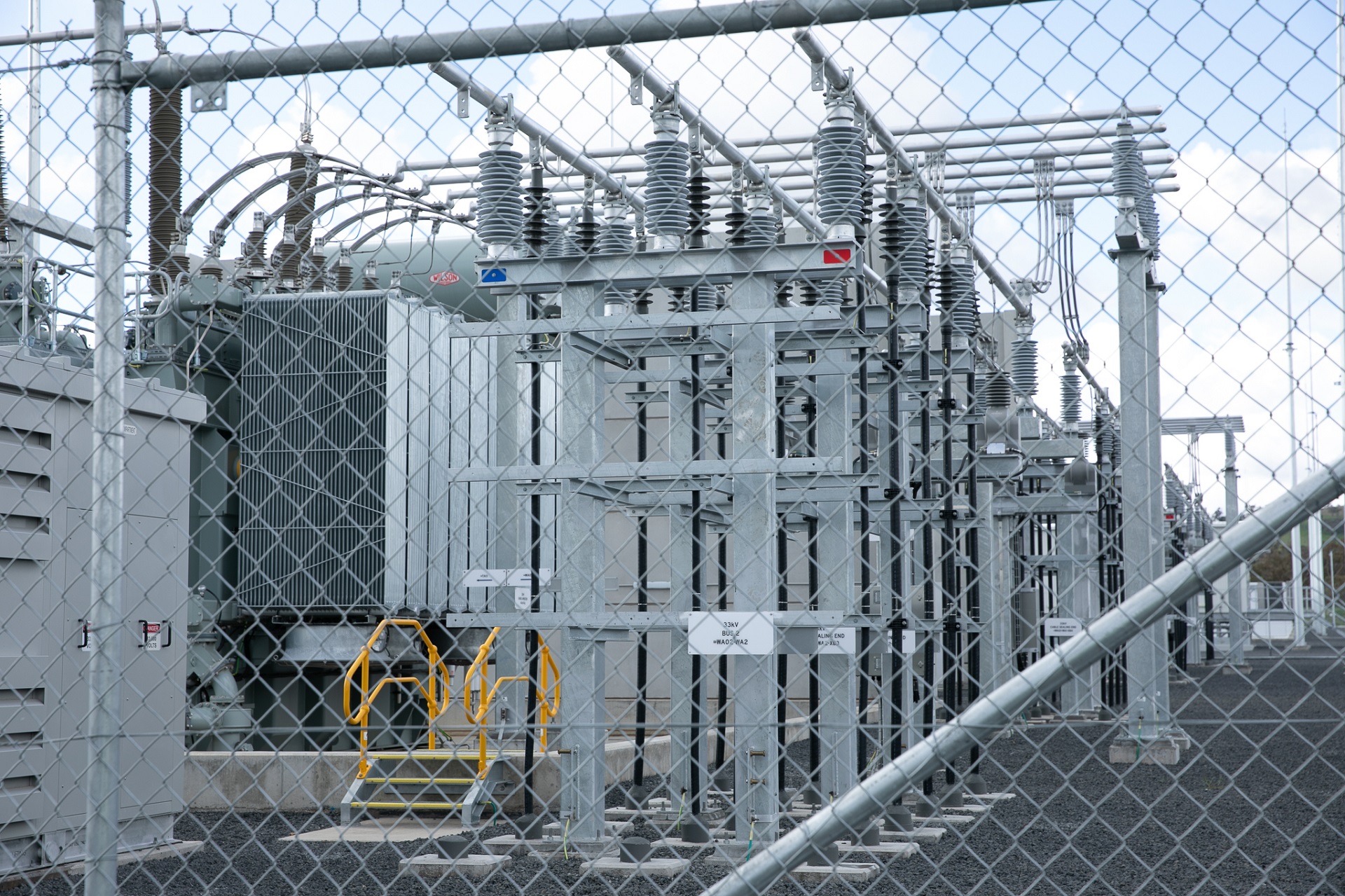
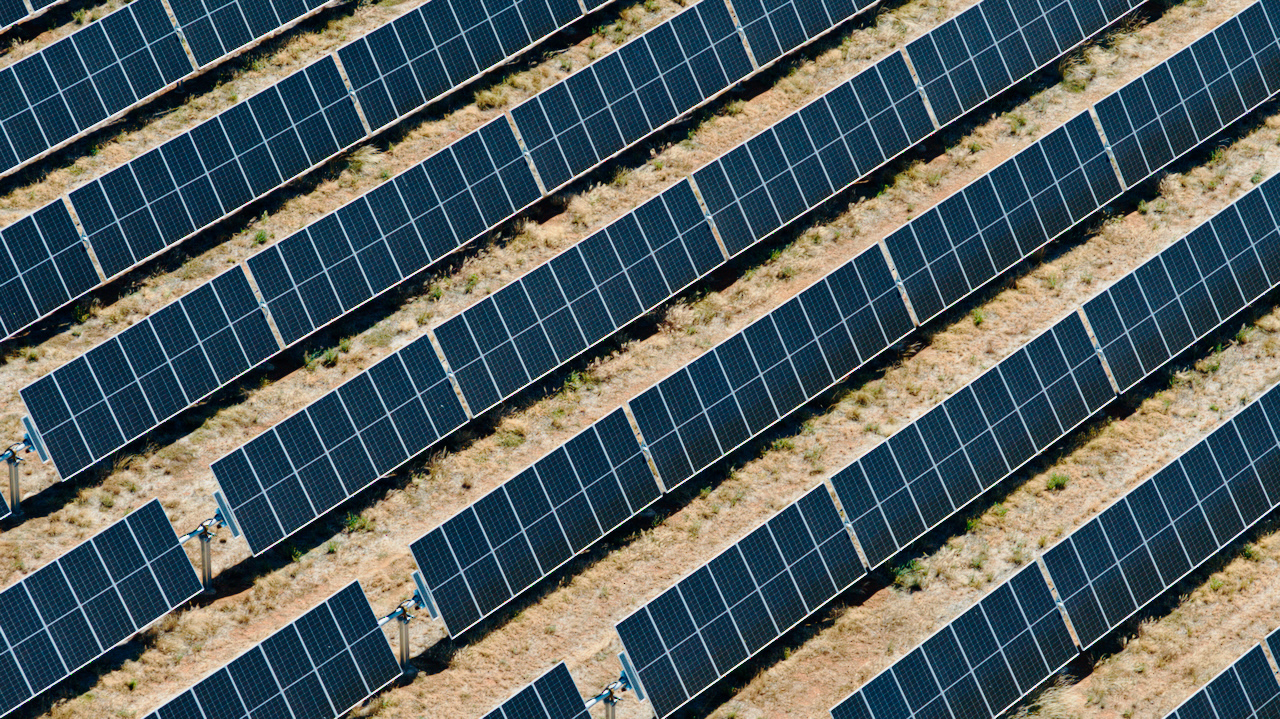
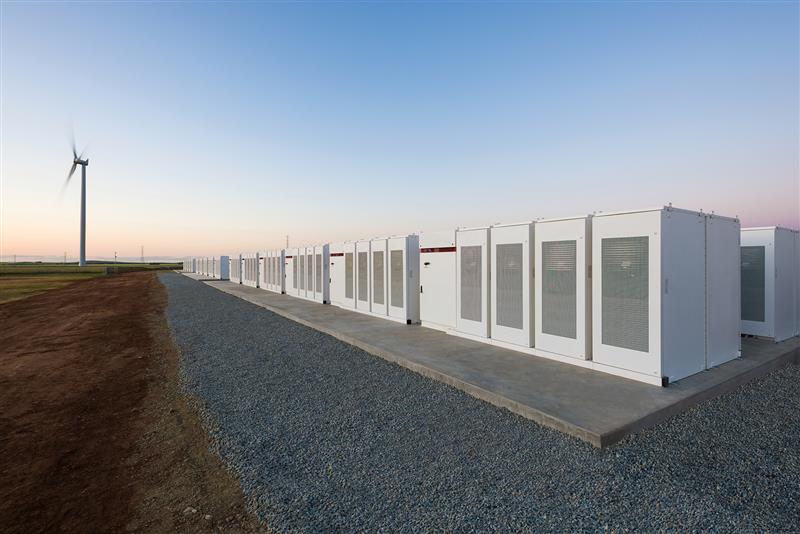
*The footage above was taken at the following sites:
RWE Renewables, Limondale BESS
Akaysha Energy, Orana BESS
Gentari, Maryvale Solar and Energy Project